
Bed Bug Inspection and Treatment in Philadelphia
Bed bugs hide in mattress seams, bed frames and furniture near where people sleep, and come out at night to feed. Finding every hiding place, and treating each one, is what ends an infestation.
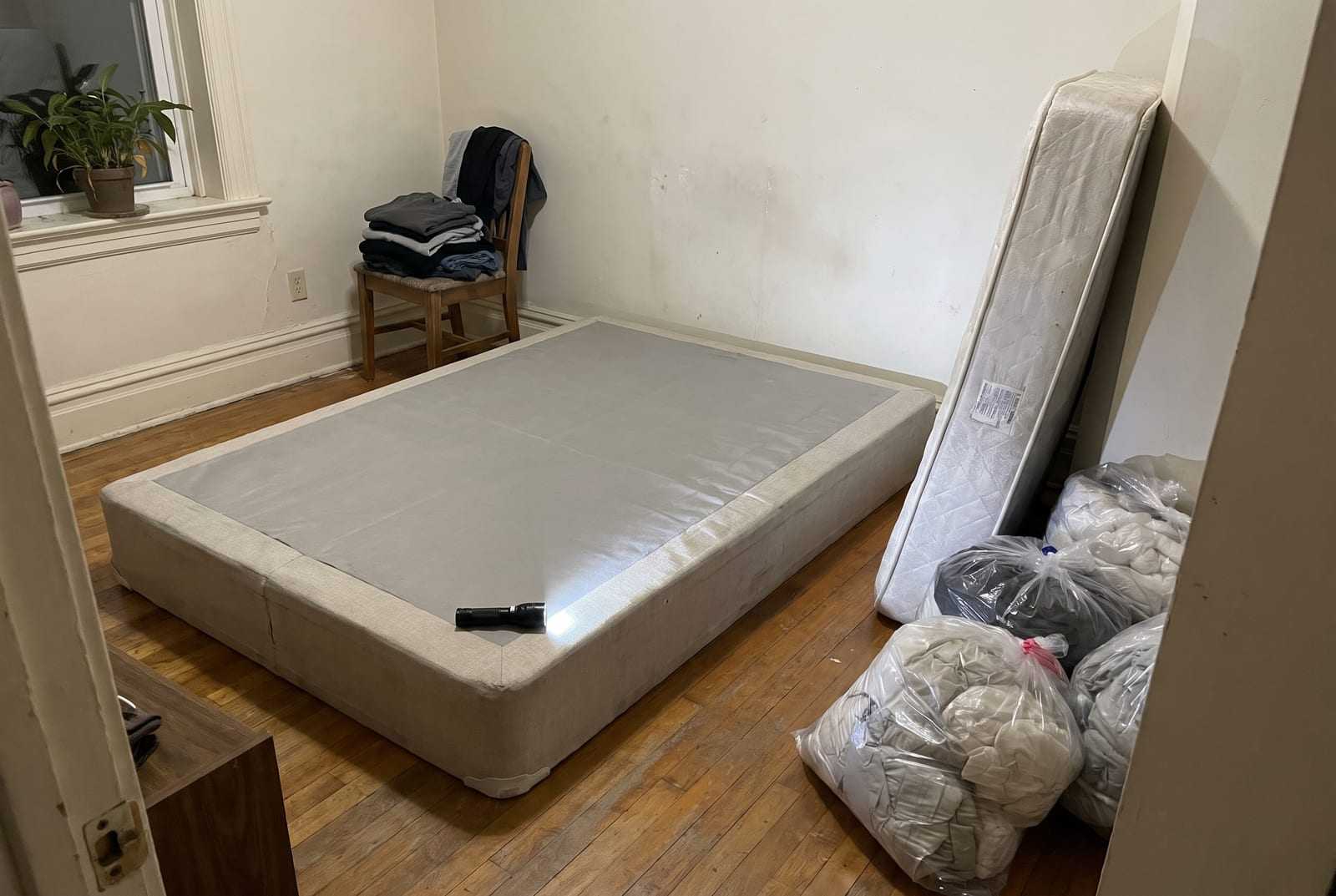
Bed Bugs Travel In on Luggage, Furniture and Clothing
Bed bugs are flat, reddish-brown insects about the size of an apple seed that feed on human blood, usually while people sleep. They cannot fly or jump. They crawl, and they travel hidden in suitcases, backpacks, coats and secondhand furniture, which is how they reach clean homes as easily as any other.
In connected rowhouses and apartment buildings, they can also move from one home to the next along pipes, wiring and gaps in shared walls. When one unit has them, the units on either side are worth checking too.
Do bed bugs mean a home is dirty?
No. Bed bugs feed on blood, not crumbs or dirt, and turn up in spotless homes, hotels and offices alike. Clutter does give them more places to hide, which makes them harder to find and to treat.
Can bed bugs spread disease?
Bed bugs are not known to spread disease. Their bites can itch for days, though, and scratching can lead to a skin infection. Some people show no marks at all, which lets an infestation grow unnoticed.
Rust Spots and Shed Skins Give Bed Bugs Away
Bites alone do not prove bed bugs, since flea bites, mosquito bites and rashes can look much the same. The insects and the traces they leave are what confirm them.
| Sign | What it looks like | Where to check |
|---|---|---|
| Adult bed bugs | Flat, oval, rust-brown insects the size of an apple seed | Mattress seams, piping and tags; bed frame joints |
| Young bed bugs | Smaller and pale yellow, nearly see-through until they feed | The same seams and cracks as the adults |
| Dark spots | Tiny black dots that smear like ink under a damp cloth | Mattress seams, the headboard, the wall behind the bed |
| Rusty stains | Small reddish smears on sheets and pillowcases | Bedding, mattress covers, pajamas |
| Shed skins | Pale, empty shells the shape of the bug | Under the mattress, inside the box spring, cracks in the frame |
| Eggs | Pearly white specks the size of a pinhead, often in clusters | Crevices, screw holes and joints in the bed frame |
| Bites | Itchy red welts, often in a line or a cluster | Arms, shoulders, neck and legs |
If the bites are real but none of these signs turn up, matching the signs against other pests may point elsewhere.
Checking a Bed and Bedroom for Bed Bugs
- Strip the bed and look over the sheets and pillowcases for rusty spots.
- With a flashlight, run a stiff card along the mattress seams, piping, tufts and tags.
- Lift the mattress and check the corners of the box spring and the fabric underneath.
- Look into the joints, screw holes and slats of the bed frame and the back of the headboard.
- Check nightstand drawers inside and underneath, and the seams of any chair or sofa someone sleeps on.
- Run the light along the baseboard and the carpet edge beside and behind the bed.
- Go over luggage and bags that have just come back from a trip.
- Seal any bug you find in a plastic bag or under clear tape for identification.
Seam-by-Seam Treatment Usually Takes More Than One Visit
Bed bugs are one of the insects our general insect treatment covers, with targeted applications indoors. Across the trade, the work starts with an inspection to confirm the bugs and find every room they have reached, followed by treatment aimed at the seams, cracks and joints where they hide: in the bed, the furniture around it and along the baseboards.
One visit is rarely the end of it. Eggs deep in a crevice can hatch after a treatment, so a follow-up visit is usual, to catch the young before they breed. Zippered encasements on the mattress and box spring help in between: bugs inside are trapped, and the smooth cover makes new ones easy to spot.
Some companies also use heat treatment, which raises a room’s temperature high enough to kill bed bugs and their eggs. Our own visits follow the steps described in how we work.
Do bug bombs get rid of bed bugs?
No. Foggers sold as bug bombs settle on open surfaces and never reach the seams and cracks where bed bugs hide, and they can drive the bugs deeper into the walls or into the next room. Used carelessly, they are also a fire risk.
Should I throw out an infested mattress?
Usually not. An encasement traps any bugs inside, and carrying an infested mattress through the house can drop bugs along the way. If one does go, wrap it in plastic first and mark it so nobody takes it into another home.
Preparing a Room Before Bed Bug Treatment
- Bag bedding, curtains and clothes in the room, then wash them and dry them on high heat for at least 30 minutes.
- Keep clean laundry sealed in plastic bags until the treatment is finished.
- Clear the floor and the space under the bed so the baseboards and furniture can be reached.
- Leave furniture and belongings in the room: moving them to another room moves the bugs too.
- Vacuum the mattress seams, carpet edges and furniture, then seal the vacuum bag and put it in an outdoor trash can.
- Pull the bed a few inches away from the wall.
- Keep people and pets out of treated rooms for as long as the product label requires.
Preparation varies with the method, so any instructions given for a particular treatment take priority over these general steps.
A single bed bug on a mattress seam means the whole room deserves a careful look.