
Where We Work in Northeast Philadelphia
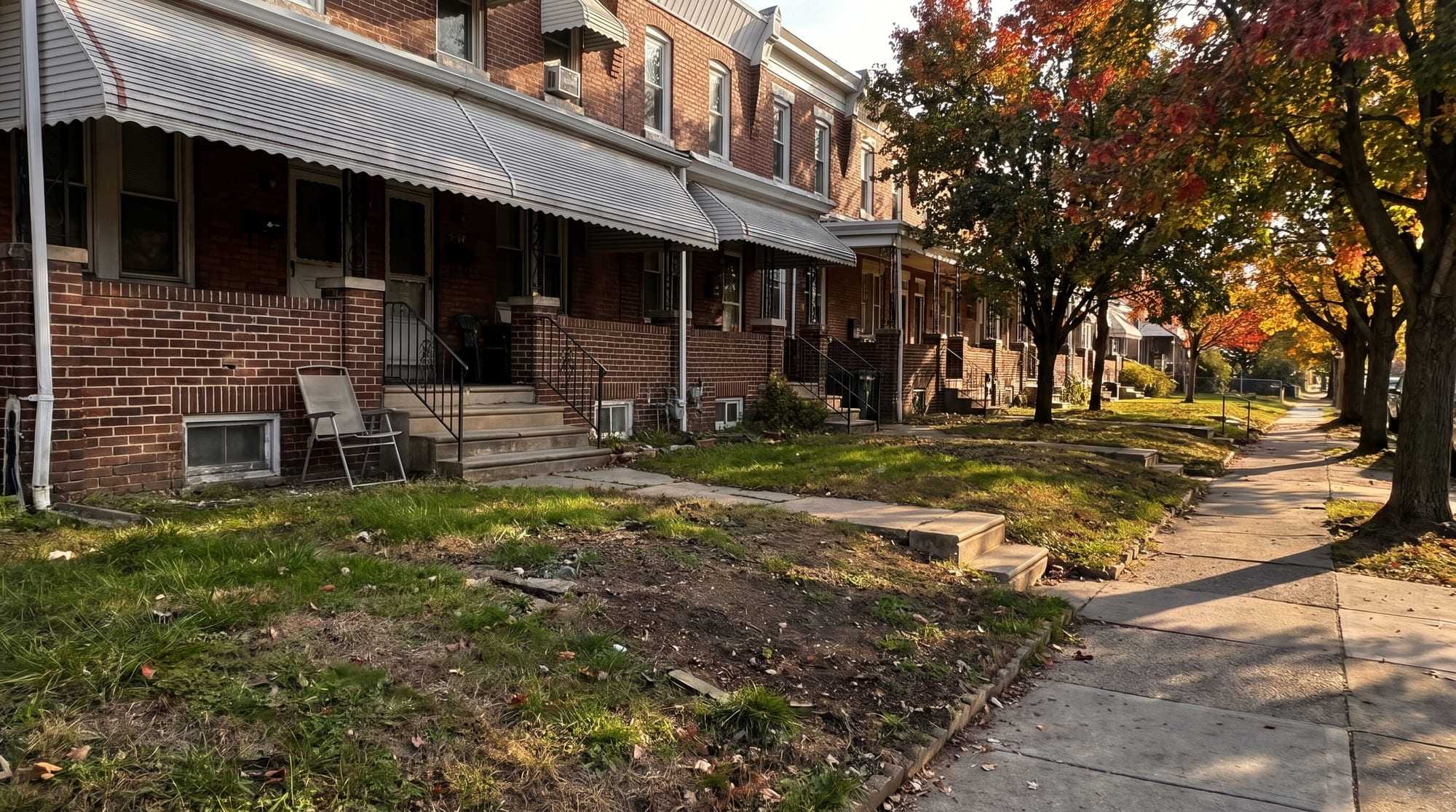
We work in the rowhouses, twins, single homes and small businesses of Northeast Philadelphia, and in the towns just past the city line.
Communities and ZIP Codes in Our Area
Somerton Pest Control serves Northeast Philadelphia, including Somerton, Bustleton, Fox Chase and Mayfair, and reaches into nearby Bensalem, Huntingdon Valley and Cheltenham. ZIP codes and neighborhood lines do not match exactly, so one ZIP code can sit under two communities.
| Community | ZIP codes |
|---|---|
| Somerton | 19116 |
| Bustleton | 19115, 19116 |
| Fox Chase | 19111 |
| Mayfair | 19136, 19149 |
| Elsewhere in Northeast Philadelphia | 19114, 19124, 19135, 19137, 19152, 19154 |
| Bensalem | 19020 |
| Huntingdon Valley | 19006 |
| Cheltenham | 19012, 19027, 19095 |
The list covers homes and small businesses alike. If your ZIP code is not on it but your address is close to the area, ask anyway: call us or send the request form with a line about the problem and where you are.
Check a ZIP Code Against Our List
Waiting for a ZIP code
Type a five-digit ZIP code, then press the button.
Rowhouses and Twins Share Walls, Cellars and Pests
Much of Northeast Philadelphia is brick rowhouses and twins, built in long blocks with shared walls, cellars side by side and gaps where pipes and wires pass through. Mice, cockroaches and ants use those connections, so a problem next door can become yours, and treating one house without looking at the shared walls rarely holds for long. That is why our rodent control begins at the openings mice use between houses, around pipes, vents and cellar walls.
Many blocks also share a rear driveway or alley where the trash cans stand together, so rats there are the whole row’s problem. Cans with tight lids, and no bags left on the ground beside them, take away much of what the rats come for.
Hot, humid summers keep insects busy, and the warmth of a heated house keeps mice and cockroaches active well past the warm months. In duplexes and apartments, cockroaches and bed bugs travel along pipes and wall voids to the unit next door, and the work goes further when neighbors deal with the problem at the same time.
Damp Cellars Draw Insects, Mice and Termites
Older houses across the area sit on stone, brick or block foundations, and their cellars stay cool and damp for much of the year. Gas, water and sewer lines come in through the walls, floor drains open to the pipes below, and the wooden sill plate rests right on the masonry. Mice follow the pipes in, cockroaches come up from drains, and damp corners draw camel crickets, centipedes and silverfish. Window wells that fill with leaves and stay wet give them one more sheltered way in. A musty smell or a white crust on the walls means the cellar holds enough moisture for most of them.
Moisture also draws termites up to the sill plate and the joists above it. A dehumidifier, downspouts that carry water away from the wall and wood kept off the cellar floor make a cellar far less inviting.
Bigger Yards Bring a Different Mix of Pests
Out toward Huntingdon Valley and Cheltenham, more of the houses are older single homes on bigger lots, with mature trees, wood piles, decks and long runs of foundation. That brings carpenter ants in damp wood and old stumps, termites in landscape timbers and mulch beds, yellowjackets nesting in the ground and hornets in the trees, and mice moving in from the yard as the weather cools.
Around houses like these, problems often start outside: along the foundation, at the entry points, and in summer wherever wasp and hornet nests turn up. Firewood stacked against the house and mulch piled against the siding give insects a bridge to the walls, bird feeders draw rats and mice, and fallen fruit draws yellowjackets late in the summer.
Whether your ZIP code is on the list or just past it, call or send a request and ask.