How We Work on a Pest Problem
A pest problem is solved in the order it is understood: what the pest is, where it lives and how it gets in. Treatment, trapping and sealing follow, and a watch is kept afterward.
The Call Narrows Down the Problem
A job starts with a description. Pepper-like specks in a cabinet, a chewed bag of rice, a line of ants at the back door, scratching above the ceiling at night: what you have seen, where and since when narrows the problem before anyone comes out.
The kind of building matters too. A rowhouse or a twin shares walls with its neighbors, so a problem next door can be part of yours; an apartment has hallways and shared pipes; a small business has deliveries, trash and stored food.
Calls are returned in the afternoons, the part of the day kept for the office: returning calls, writing up estimates and ordering supplies. If something has already been caught, such as a trap with a catch or a few insects in a sealed bag, keep it for the visit; it settles what the pest is.
The Visit Inspects Before Anything Is Applied
Mornings go to jobs around Philadelphia, mostly inspections and follow-up visits. An inspection comes before anything is applied, and it looks for the entry point first: where the pests are coming in, not only where they are seen.
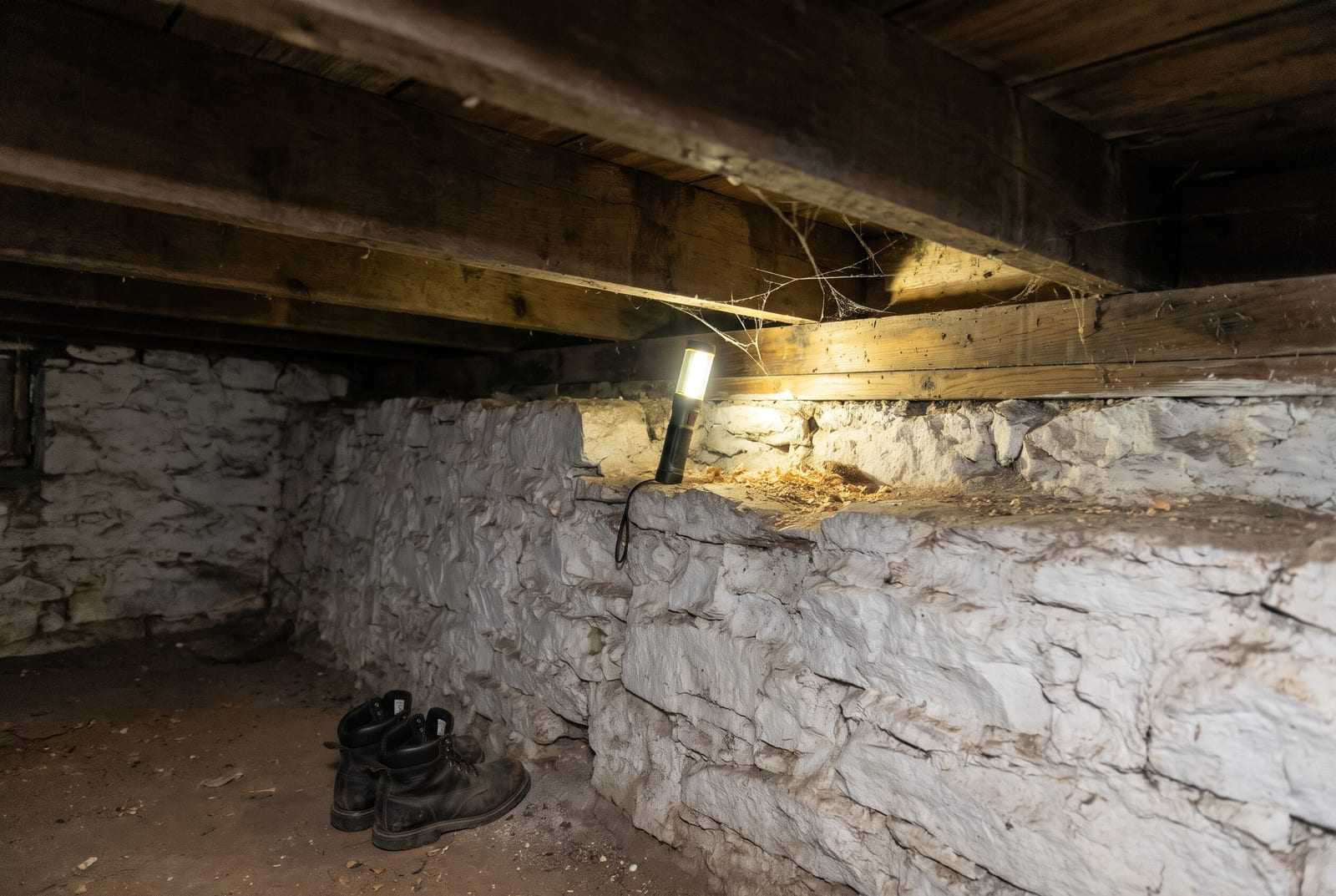
A typical inspection works through the places pests use, flashlight in hand: under the sinks, behind the stove and refrigerator, along baseboards and radiator pipes, and in the cellar along the walls and the sill plate, where the house sits on its foundation. Outside, it follows the foundation line, the vents, the pipes and wires where they enter and the roofline.
Identifying the pest matters as much as finding it. A German cockroach in a kitchen and an American cockroach coming up a floor drain are handled differently, and so are a house mouse and a Norway rat. Droppings, egg cases, gnaw marks, shed skins and the time of day the pests appear all help tell them apart.
The Work Targets Hiding Places and Openings
For insects, the applications are targeted, indoors and along foundations and entry points, where insects hide, feed and travel. In the trade that usually means baits and dusts placed into cracks, crevices and wall voids, and a band of treatment along the outside of the foundation, rather than a spray across open floors and counters.

Rodent control starts with how the animals get in, then moves to trapping and to sealing openings around pipes, vents, rooflines and cellar walls. Traps go where droppings and rub marks are heaviest, and in the trade they usually stay out until the catches stop.
Sealing is what makes the result last. A trap removes the animals already inside; a closed opening keeps the next ones out, so the gaps found during the inspection are the ones that get closed. The materials are chosen to outlast teeth and weather, and the work is finished so that it stays in place.
Bed bugs, termites and wasp nests each call for methods of their own, and each has its place among our pest control services.
Afterwards, Activity Should Fall Visit by Visit
Many pest problems take more than one visit. A follow-up visit looks at whether activity is falling: what the traps have caught, whether bait is being taken and whether fresh droppings or insects have appeared.
For homes and small businesses that want to stay ahead of problems, recurring maintenance visits keep bait stations and monitoring traps checked and treated areas under watch. On those visits the question is the same as on a follow-up: is anything still active, and where is it coming from?
Before a job is left, a last walk around the outside checks that every gap that was sealed is closed.
Between visits, a household can help: keep food in closed containers, fix dripping pipes, keep stored things off the cellar floor and back from the walls, and keep children and pets away from treated areas and bait stations as the product label directs.
Each Stage Has Its Own Checks and Methods
Each stage of a job answers a different question, and the methods used at each one change with the pest and the building.
| Stage | What is looked at | Typical methods used in the trade |
|---|---|---|
| The call | What has been seen, where, since when, and in what kind of building | Questions about the signs and the building; anything already caught kept for the visit |
| Inspection | Droppings, egg cases, gnaw and rub marks, live or dead insects, damp spots and the gaps where pests get in | A flashlight search of kitchens, bathrooms, cellars and the outside walls; sticky monitors; identifying the species |
| Insect treatment | Cracks, crevices and wall voids where insects hide, and the foundation and entry points outside | Gel baits, dusts in voids, crack-and-crevice applications, insect growth regulators and a band along the foundation |
| Rodent control | Runways along walls, droppings, burrows and the openings in use | Snap traps set along walls, multiple-catch traps indoors, tamper-resistant bait stations outdoors |
| Sealing | Gaps around pipes, wires, vents, rooflines, cellar walls and doors | Copper mesh or steel wool finished with mortar or sealant, sheet metal, hardware cloth, door sweeps |
| Follow-up and maintenance | Trap catches, bait taken, new signs and the condition of sealed gaps | Follow-up visits; bait stations and monitoring traps checked; treatment renewed where activity returns |
The Label, the State and the City Set the Rules
Pest control is regulated work. Federal law governs how every pesticide is used, Pennsylvania certifies the people who apply pesticides for hire, and Philadelphia’s codes say who deals with pests in a building and how food businesses keep them out. Integrated pest management, the approach the EPA and university extension services recommend, ties the practical side together.
| Rule or standard | Who it applies to | What it means for the household |
|---|---|---|
| Pesticide product labels | Anyone who applies a pesticide, from a pest control company to a homeowner with a store-bought spray | Under federal law, “the label is the law”: a product may be used only where, how and at the rate its label allows, and its directions for keeping people and pets off treated areas are part of that. |
| Pennsylvania applicator certification | People who apply pesticides for hire in Pennsylvania | The state Department of Agriculture certifies commercial applicators, and registered technicians work under a certified applicator. A household can ask who will apply products in the home and under whose certification. |
| Philadelphia property maintenance code | Property owners and, in some cases, occupants | Buildings are to be kept clear of insect and rodent infestation, with steps taken to keep pests from returning. In general, owners deal with pests before a home is rented and in the shared parts of buildings with several units; occupants can be responsible in a single-family home or where their own housekeeping is the cause. |
| Philadelphia health code for food businesses | Restaurants, food shops and other businesses that store, prepare or sell food | City health inspectors look for insects, rodents, droppings and the openings pests use, and signs of pests are cited at inspection. Private home kitchens are not inspected under it. |
| Integrated pest management (IPM) | A set of principles, not a law, recommended by the EPA and university extension services for homes, businesses and schools | Inspection and identification come first, then prevention such as sealing gaps and removing food and water, with products used only where needed and the results checked. |
Product labels are public, and any company should be able to say what it is using, where and why.
Questions a Householder Can Ask Any Pest Control Company
- What pest do you think this is, and which signs point to it?
- Where do you think the pests are getting in?
- Which openings will be sealed, and with what?
- Which product will be used, and can I read its label?
- How long should children and pets stay away from treated areas?
- Who will apply products in my home, and is that person certified in Pennsylvania or working under someone who is?
- Will traps or bait stations stay in the house, and where?
- How many visits does a problem like this usually take?
- What should we do, or stop doing, until the next visit?
The job begins with a call, and the inspection follows.